
- English
- Español
- Português
- русский
- Français
- 日本語
- Deutsch
- tiếng Việt
- Italiano
- Nederlands
- ภาษาไทย
- Polski
- 한국어
- Svenska
- magyar
- Malay
- বাংলা ভাষার
- Dansk
- Suomi
- हिन्दी
- Pilipino
- Türkçe
- Gaeilge
- العربية
- Indonesia
- Norsk
- تمل
- český
- ελληνικά
- український
- Javanese
- فارسی
- தமிழ்
- తెలుగు
- नेपाली
- Burmese
- български
- ລາວ
- Latine
- Қазақша
- Euskal
- Azərbaycan
- Slovenský jazyk
- Македонски
- Lietuvos
- Eesti Keel
- Română
- Slovenski
- मराठी
- Srpski језик

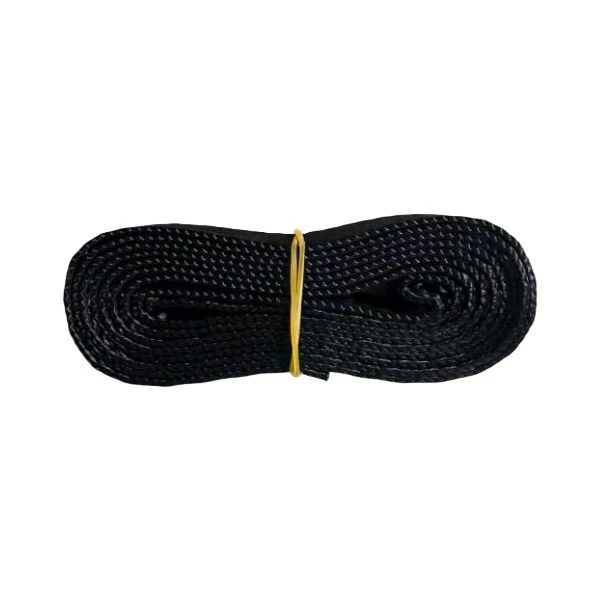
What is Polyester Binding Webbing?
In the world of industrial textiles and secure fastening solutions, Polyester Binding Webbing stands out as a versatile, high-strength champion. For over two decades in the Google SEO and industrial sectors, we've seen how crucial it is to understand the specifics behind the materials you rely on. Whether you're in logistics, automotive, outdoor gear manufacturing, or construction, choosing the right binding webbing can make the difference between a secure load and a costly failure. This comprehensive guide dives deep into what Polyester Binding Webbing is, why it's superior for many applications, and how its specifications translate to real-world performance. At Baitengxin Webbing Industry (Jiangsu) Co., Ltd., we specialize in crafting top-tier webbing solutions that meet rigorous global standards.
Why Choose Polyester Binding Webbing?
Polyester webbing is engineered for durability. Unlike materials that degrade quickly under stress, UV exposure, or moisture, polyester offers exceptional resistance. Its low-stretch properties ensure that once tightened, it stays tight—vital for securing cargo during transit or creating reliable safety harnesses. The material's inherent toughness resists abrasion, chemicals, and mildew, making it a go-to for both indoor and harsh outdoor environments. When you need a binding solution that combines strength with longevity, polyester is the smart investment.
Key Product Parameters & Specifications
To make an informed decision, you need clear, detailed data. Below, we break down the core parameters of our high-performance Polyester Binding Webbing.
Detailed Specifications List:
-
Material: 100% High-Tenacity Polyester Filament Yarn. This ensures uniform strength and minimal elongation.
-
Construction: Dense, tight weave using advanced loom technology for consistent integrity across the entire webbing length.
-
Width Options: Available in a wide range from 10mm (3/8") to 100mm (4") to suit various load capacities and attachment points.
-
Thickness: Typically ranges from 1.0mm to 2.5mm, balancing flexibility with ruggedness.
-
Breaking Strength: Ranges from 600 kg (1,322 lbs) for narrower widths to over 10,000 kg (22,046 lbs) for the widest, heaviest-duty webbing.
-
Elongation at Break: Very low, typically between 10-15%, providing secure, non-slip tension.
-
Color Fastness: Excellent resistance to fading; available in a multitude of standard and custom colors (e.g., black, blue, red, green, yellow) for coding or branding.
-
Finish: Can be treated with various coatings for water resistance, UV protection, or enhanced friction.
-
Temperature Resistance: Performs reliably in a range of approximately -40°C to +120°C (-40°F to +248°F).
-
Compliance: Meets or exceeds relevant international standards for cargo control, lifting, and safety applications.
Strength & Width Comparison Table
This table provides a quick reference for selecting the appropriate webbing based on common width and strength requirements.
| Webbing Width | Approx. Breaking Strength | Typical Safe Working Load (1:5 Safety Ratio) | Common Application Examples |
|---|---|---|---|
| 25 mm (1") | 2,700 kg / 5,952 lbs | 540 kg / 1,190 lbs | Light cargo strapping, gear loops, backpack straps. |
| 50 mm (2") | 5,500 kg / 12,125 lbs | 1,100 kg / 2,425 lbs | Standard cargo lashing, truck tie-downs, towing straps. |
| 75 mm (3") | 8,200 kg / 18,078 lbs | 1,640 kg / 3,615 lbs | Heavy-duty logistics, securing large machinery, industrial slings. |
| 100 mm (4") | 11,000 kg / 24,250 lbs | 2,200 kg / 4,850 lbs | Extra-heavy lifting, maritime applications, aerospace restraint. |
Note: Safe Working Load (SWL) is calculated with a standard 5:1 safety factor. Always consult an engineer for critical lifting applications.
Polyester Binding Webbing vs. Common Alternatives
-
Polyester vs. Polypropylene Webbing: Polyester is stronger, more UV-resistant, and has a higher melting point. Polypropylene is lighter and floats but degrades quickly in sunlight and is weaker. Polyester is the choice for permanent or long-term outdoor use.
-
Polyester vs. Nylon Webbing: Nylon has higher elasticity and excellent abrasion resistance, but it absorbs water, which weakens it when wet and causes shrinkage. Polyester retains its strength when wet and has less stretch, making it superior for precise, stable binding and wet environments.
-
Polyester vs. Cotton Webbing: Cotton is soft and eco-friendly but lacks strength, is prone to mildew, and degrades with weather exposure. Polyester offers far greater durability, consistency, and weather resistance for industrial purposes.
Polyester Binding Webbing FAQ
Q: How do I determine the correct width and strength of Polyester Binding Webbing for my project?
A: Start by calculating the total weight and nature of the load you need to secure. The webbing's Safe Working Load (SWL) should exceed this weight. A standard safety factor of 5:1 is common (e.g., to lift 1,000 kg, use webbing with a 5,000 kg minimum breaking strength). Consider the webbing width in relation to your buckles or hardware, and the surface of the load—wider webbing distributes force better and protects fragile surfaces. When in doubt, consult with technical experts like our team at Baitengxin Webbing for a tailored recommendation.
Q: Can Polyester Binding Webbing be used for lifting heavy equipment?
A: Yes, but with critical caveats. Polyester webbing is widely used in lifting slings due to its strength and flexibility. However, you must use webbing specifically designed, manufactured, and certified as lifting slings with clear identification tags stating their working load limits. Never use general-purpose binding webbing for overhead lifting unless it is explicitly rated and certified for that purpose. Always adhere to local occupational safety regulations.
Q: How do I properly care for and inspect my Polyester Binding Webbing to ensure safety?
A: Regular inspection is paramount. Before each use, examine the entire length for cuts, abrasions, chemical damage, frayed edges, or excessive wear. Look for discoloration from UV degradation or heat damage. Clean webbing with mild soap and lukewarm water; avoid harsh chemicals. Store it in a cool, dry place away from direct sunlight and chemical fumes. Retire any webbing immediately if you find broken fibers, severe abrasion, or if it has been subjected to an extreme overload shock, even if no damage is visible. A proactive inspection routine extends product life and, most importantly, ensures safety.
Integrating Polyester Webbing into Your Operations
From creating custom tie-downs for the transportation industry to manufacturing reliable components for safety harnesses, the applications are vast. Its versatility also extends to outdoor products like tent guylines, heavy-duty luggage straps, and tactical equipment. The key is partnering with a manufacturer that understands precision. At Baitengxin Webbing Industry (Jiangsu) Co., Ltd., we control the process from raw yarn to finished product, ensuring every meter of our Polyester Binding Webbing meets strict specifications for performance and reliability.
Your Next Step Towards a More Secure Solution
Don't leave your security to chance with subpar materials. Investing in high-specification Polyester Binding Webbing enhances safety, reduces long-term replacement costs, and provides peace of mind. Whether you need a standard product from our extensive catalog or a custom-engineered solution, we have the expertise to deliver.
Contact the experts at Baitengxin Webbing Industry (Jiangsu) Co., Ltd. today. Let's discuss how our high-performance polyester webbing can strengthen your products and processes.