
- English
- Español
- Português
- русский
- Français
- 日本語
- Deutsch
- tiếng Việt
- Italiano
- Nederlands
- ภาษาไทย
- Polski
- 한국어
- Svenska
- magyar
- Malay
- বাংলা ভাষার
- Dansk
- Suomi
- हिन्दी
- Pilipino
- Türkçe
- Gaeilge
- العربية
- Indonesia
- Norsk
- تمل
- český
- ελληνικά
- український
- Javanese
- فارسی
- தமிழ்
- తెలుగు
- नेपाली
- Burmese
- български
- ລາວ
- Latine
- Қазақша
- Euskal
- Azərbaycan
- Slovenský jazyk
- Македонски
- Lietuvos
- Eesti Keel
- Română
- Slovenski
- मराठी
- Srpski језик

What Makes Two-Color Warning Tape Essential for Industrial Safety and Hazard Identification
Two-Color Warning Tape plays a critical role in modern safety management systems across construction sites, utility installations, manufacturing facilities, and public infrastructure projects. This comprehensive guide explores how dual color hazard tapes enhance visibility, prevent accidents, improve regulatory compliance, and support long-term underground utility protection. We analyze material types, color standards, applications, installation best practices, and selection criteria to help procurement managers, contractors, and safety officers make informed decisions.
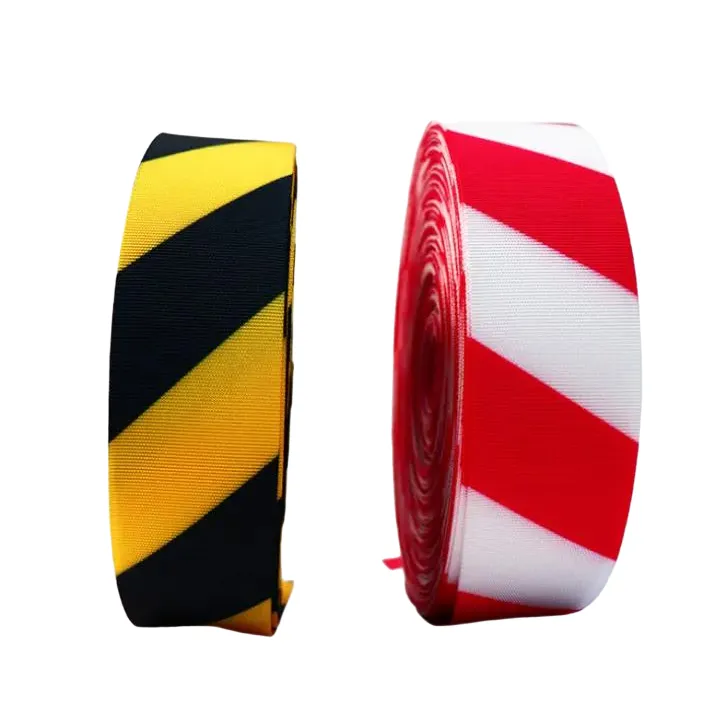
Table of Contents
- 1. What Is Two-Color Warning Tape?
- 2. Why Is Dual Color Hazard Tape Critical for Workplace Safety?
- 3. Materials and Manufacturing Standards
- 4. Understanding Safety Color Codes
- 5. Major Applications Across Industries
- 6. Two-Color Warning Tape vs. Single-Color Tape
- 7. How to Choose the Right Warning Tape
- 8. Installation and Usage Best Practices
- 9. Custom Printing and Branding Options
- 10. Future Trends in Industrial Safety Marking
- 11. Frequently Asked Questions
1. What Is Two-Color Warning Tape?
Two-Color Warning Tape is a high-visibility safety marking product designed to alert workers and the public to potential hazards. Typically manufactured from polyethylene (PE) or PVC, it features contrasting color combinations such as black/yellow or red/white to maximize visibility in various lighting conditions.
Unlike ordinary caution tape, industrial-grade dual color hazard tape is engineered for durability, weather resistance, UV stability, and tear resistance. It is widely used in construction zones, underground utility protection, hazardous area marking, and restricted access control.
- High-contrast color combinations
- Durable PE or PVC construction
- Weather and UV resistant
- Available in printed or non-printed formats
2. Why Is Dual Color Hazard Tape Critical for Workplace Safety?
Workplace safety regulations increasingly emphasize visual communication systems. Two-color warning tape enhances hazard recognition speed by leveraging color psychology and contrast theory. Bright combinations like black/yellow signal caution, while red/white often indicate danger or restricted areas.
According to industrial safety standards, visual warning systems significantly reduce incident rates in high-risk environments. Properly deployed safety marking tape can:
- Prevent accidental excavation damage
- Reduce trip and fall hazards
- Improve site organization
- Support regulatory compliance
- Enhance worker awareness
For construction and infrastructure companies, investing in high-quality two-color warning tape is not an optional expense — it is a proactive safety strategy.
3. Materials and Manufacturing Standards
The performance of warning tape depends largely on raw materials and production processes. Premium manufacturers such as Baitengxin focus on strict quality control and consistent thickness standards to ensure durability.
| Material Type | Advantages | Typical Use |
|---|---|---|
| Polyethylene (PE) | Flexible, cost-effective, moisture resistant | Underground utility marking |
| PVC | High tensile strength, durable | Construction site barricades |
| Detectable Tape | Embedded metal foil for tracing | Gas and telecom lines |
4. Understanding Safety Color Codes
Different industries follow standardized color systems to communicate hazards. Choosing the correct color combination is essential.
- Black/Yellow: General caution and physical hazards
- Red/White: Fire protection and emergency areas
- Yellow/Green: Safety equipment locations
- Blue/White: Mandatory instructions
Selecting the wrong color may lead to confusion and compliance issues. Always verify local safety regulations before procurement.
5. Major Applications Across Industries
Construction Sites
Used to cordon off hazardous areas, excavation pits, and heavy machinery zones.
Underground Utilities
Installed above buried pipelines to provide early warning during excavation.
Manufacturing Facilities
Mark restricted zones and equipment safety boundaries.
Public Infrastructure
Protect roadworks, temporary hazards, and maintenance areas.
6. Two-Color Warning Tape vs. Single-Color Tape
| Feature | Two-Color Tape | Single-Color Tape |
|---|---|---|
| Visibility | High contrast, superior visibility | Moderate visibility |
| Compliance | Meets most industrial standards | Limited applications |
| Hazard Recognition Speed | Faster | Slower |
7. How to Choose the Right Warning Tape
- Determine application type (surface marking vs underground detection).
- Choose appropriate color combination.
- Verify thickness and tensile strength.
- Check UV and weather resistance ratings.
- Confirm compliance with local safety standards.
Professional suppliers like Baitengxin provide customization options including width, thickness, roll length, and printed warnings.
8. Installation and Usage Best Practices
- Ensure surface cleanliness before application.
- Maintain consistent tension during installation.
- Replace faded or damaged tape immediately.
- For underground use, install 300mm above the utility line.
Proper installation maximizes lifespan and ensures optimal hazard visibility.
9. Custom Printing and Branding Options
Custom-printed two-color warning tape allows companies to display specific warnings such as “Caution Buried Gas Line” or “Fiber Optic Cable Below.” Branded safety tape also reinforces corporate identity while maintaining safety compliance.
- Company logo printing
- Multilingual warning messages
- Custom widths and roll lengths
- Detectable metallic strip options
10. Future Trends in Industrial Safety Marking
As infrastructure projects expand globally, demand for durable, eco-friendly, and smart-detectable warning tapes continues to rise. Future innovations may include:
- Biodegradable safety tapes
- RFID-integrated detectable tape
- Enhanced UV-stable pigments
- Smart traceable underground systems
11. Frequently Asked Questions
Q1: What thickness is recommended for underground warning tape?
Typically between 0.03mm and 0.15mm depending on soil conditions and regulatory requirements.
Q2: Is detectable warning tape necessary?
Yes, especially for gas, telecom, and power lines where future excavation risks are high.
Q3: Can warning tape be customized with specific text?
Yes, professional manufacturers provide custom printing services for safety compliance.
Q4: How long does outdoor warning tape last?
High-quality UV-resistant tape can last several years depending on exposure conditions.
Q5: What industries benefit most from dual color hazard tape?
Construction, utilities, oil & gas, telecommunications, municipal infrastructure, and manufacturing sectors.
Conclusion
Two-Color Warning Tape is far more than a simple visual barrier. It is a fundamental component of industrial risk management, underground utility protection, and regulatory compliance. By selecting high-quality materials, correct color combinations, and reliable suppliers such as Baitengxin, businesses can significantly enhance workplace safety and operational efficiency.
If you are looking for durable, customizable, and standards-compliant two-color warning tape solutions for your next project, contact us today to receive professional guidance and competitive quotations.