
- English
- Español
- Português
- русский
- Français
- 日本語
- Deutsch
- tiếng Việt
- Italiano
- Nederlands
- ภาษาไทย
- Polski
- 한국어
- Svenska
- magyar
- Malay
- বাংলা ভাষার
- Dansk
- Suomi
- हिन्दी
- Pilipino
- Türkçe
- Gaeilge
- العربية
- Indonesia
- Norsk
- تمل
- český
- ελληνικά
- український
- Javanese
- فارسی
- தமிழ்
- తెలుగు
- नेपाली
- Burmese
- български
- ລາວ
- Latine
- Қазақша
- Euskal
- Azərbaycan
- Slovenský jazyk
- Македонски
- Lietuvos
- Eesti Keel
- Română
- Slovenski
- मराठी
- Srpski језик

What Is Polyester Binding Webbing and Why Is It Essential for Industrial Applications
Polyester binding webbing is a versatile and high-performance textile solution widely used across industrial, commercial, and consumer applications. Known for its excellent tensile strength, abrasion resistance, UV stability, and cost efficiency, polyester binding webbing plays a critical role in product reinforcement, edge finishing, load securing, and structural binding.
This in-depth guide explores what polyester binding webbing is, how it is manufactured, its key advantages, comparisons with other webbing materials, application scenarios, selection tips, and frequently asked questions—helping engineers, buyers, and manufacturers make informed sourcing decisions.
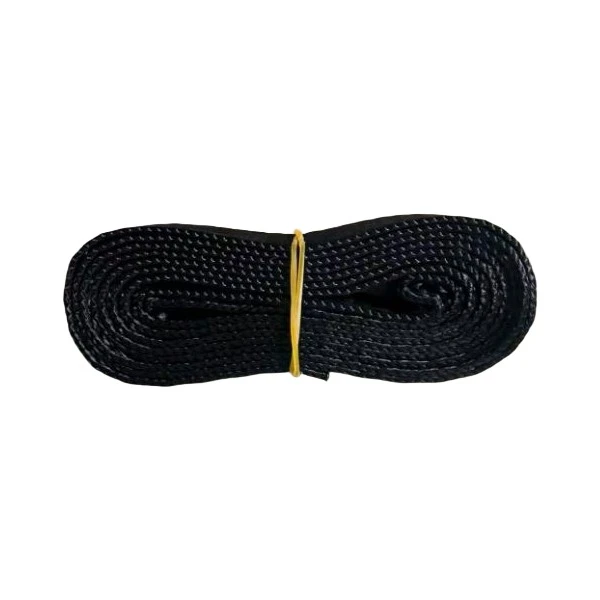
Table of Contents
- 1. What Is Polyester Binding Webbing?
- 2. Material Structure and Manufacturing Process
- 3. Key Advantages of Polyester Binding Webbing
- 4. Polyester vs Nylon vs Cotton Webbing
- 5. Common Industrial Applications
- 6. Technical Specifications and Customization
- 7. How to Choose the Right Polyester Binding Webbing
- 8. Quality Standards and Testing Methods
- 9. Frequently Asked Questions (FAQ)
1. What Is Polyester Binding Webbing?
Polyester binding webbing is a narrow woven fabric made from high-tenacity polyester yarns. It is primarily used for edge reinforcement, binding, strapping, and structural support in a wide range of products. Unlike decorative ribbons, binding webbing is engineered for strength, durability, and long-term performance.
Due to polyester’s inherent resistance to moisture, UV radiation, chemicals, and stretching, polyester binding webbing is widely preferred in demanding environments where reliability is critical.
2. Material Structure and Manufacturing Process
2.1 Raw Material Composition
- High-tenacity polyester filament yarn
- Low-shrinkage fibers for dimensional stability
- Optional UV-stabilized or flame-retardant additives
2.2 Weaving and Finishing
- Yarn warping and tension control
- Narrow fabric weaving (plain, twill, or herringbone)
- Heat setting for shape retention
- Dyeing, coating, or resin finishing
- Cutting and edge sealing
Manufacturers like Baitengxin utilize precision looms and strict quality control to ensure consistent tensile strength, uniform width, and clean edges.
3. Key Advantages of Polyester Binding Webbing
- High Tensile Strength: Excellent load-bearing performance
- Low Stretch: Maintains shape under continuous stress
- UV & Weather Resistance: Ideal for outdoor use
- Chemical Resistance: Withstands oils, solvents, and mild acids
- Cost Efficiency: Lower lifecycle cost compared to nylon
- Colorfastness: Retains appearance after long-term exposure
4. Polyester vs Nylon vs Cotton Webbing
| Property | Polyester Webbing | Nylon Webbing | Cotton Webbing |
|---|---|---|---|
| Tensile Strength | High | Very High | Low |
| Stretch | Low | High | Low |
| UV Resistance | Excellent | Poor | Poor |
| Moisture Resistance | Excellent | Moderate | Poor |
| Cost | Moderate | Higher | Low |
5. Common Industrial Applications
5.1 Industrial & Commercial Uses
- Safety harness edge binding
- Load restraint systems
- Industrial bags and covers
- Protective equipment reinforcement
5.2 Consumer and OEM Products
- Backpacks and luggage edging
- Pet collars and leashes
- Outdoor furniture straps
- Automotive interior binding
6. Technical Specifications and Customization
| Specification | Typical Range |
|---|---|
| Width | 10mm – 100mm |
| Thickness | 0.8mm – 3.0mm |
| Tensile Strength | 300kg – 3000kg |
| Colors | Standard & Custom Pantone |
| Finish | Heat-cut, coated, printed |
7. How to Choose the Right Polyester Binding Webbing
- Determine load and stress requirements
- Assess environmental exposure (UV, moisture, chemicals)
- Confirm width and thickness compatibility
- Choose colorfast and treated options if needed
- Select a reliable supplier with testing certifications
Working with experienced manufacturers such as Baitengxin ensures that the webbing meets both functional and compliance requirements.
8. Quality Standards and Testing Methods
- Tensile strength testing
- Abrasion resistance testing
- UV aging simulation
- Colorfastness and wash testing
- Dimensional tolerance inspection
9. Frequently Asked Questions (FAQ)
Q1: Is polyester binding webbing suitable for outdoor use?
Yes. Polyester binding webbing offers excellent UV and weather resistance, making it ideal for outdoor and marine environments.
Q2: Can polyester binding webbing be customized?
Absolutely. Width, color, tensile strength, coating, and printing can all be customized based on application needs.
Q3: How long does polyester binding webbing last?
With proper selection and usage, it can maintain performance for many years, even in harsh conditions.
Q4: Is polyester better than nylon for binding applications?
In most binding and edge reinforcement scenarios, polyester is preferred due to its lower stretch and better UV resistance.
Conclusion
Polyester binding webbing is a foundational material for modern industrial and consumer products. Its balance of strength, durability, environmental resistance, and cost efficiency makes it an indispensable solution across industries.
If you are looking for reliable, customizable, and high-performance polyester binding webbing solutions, working with trusted manufacturers like Baitengxin can significantly improve product quality and supply stability.
For tailored specifications, competitive pricing, and expert support, feel free to contact us today and explore how polyester binding webbing can enhance your next project.